Single-Level Living in Virginia: A Guide to Accessible Homes for Aging in Place
Photo: A welcoming single-level ranch home with accessible entrance in a Virginia suburb
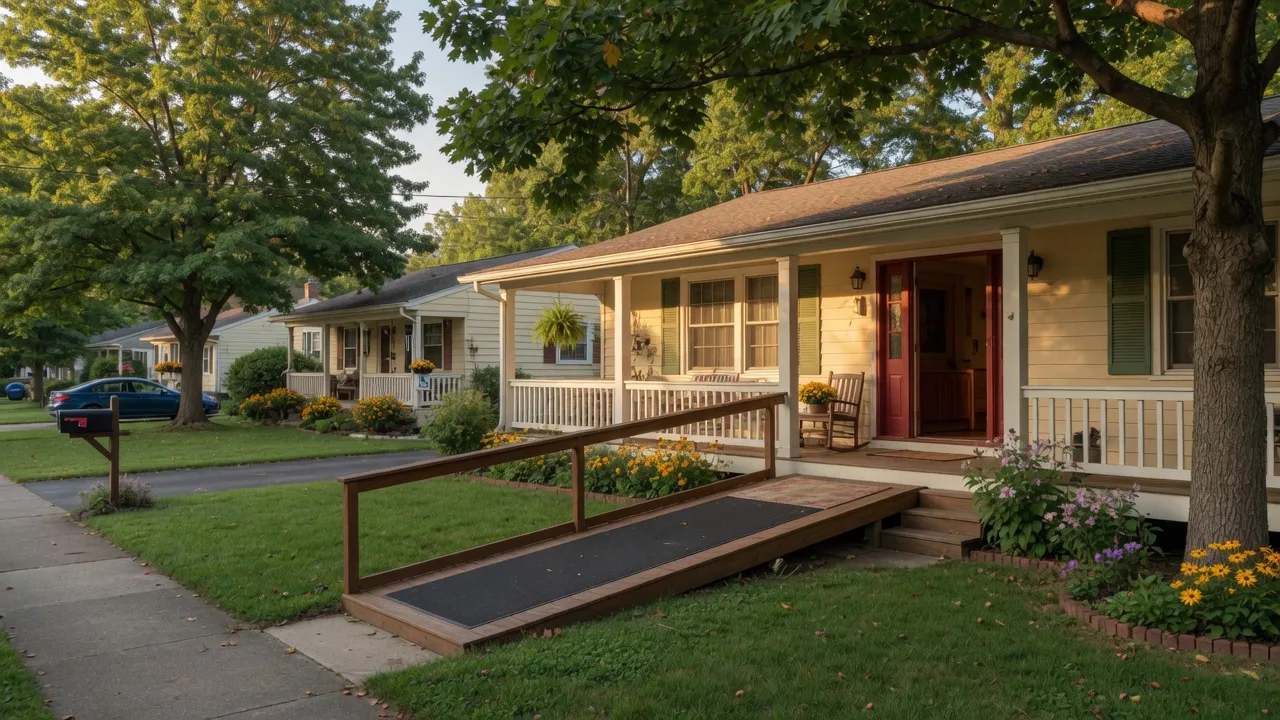
One of the most important decisions Virginia homeowners face as they plan for their next chapter is whether their current home can support them as they age. For many, single-level living is not just a preference. It is a practical choice that brings safety, independence, and peace of mind. This guide covers what accessible single-level homes offer, the key features to look for, and how to modify an existing home to support aging in place.
Why Single-Level Living Matters
Stairs are one of the biggest safety hazards in any home, especially for older adults. According to the Centers for Disease Control and Prevention, falls are the leading cause of injury among adults aged 65 and older, and stairs are involved in a significant percentage of those falls. Eliminating the need to navigate stairs daily dramatically reduces fall risk.
Beyond safety, single-level homes offer convenience. Laundry, groceries, cleaning, and everyday tasks become easier when everything is on one floor. For many Virginia homeowners transitioning from a two-story colonial to a ranch home or single-level condo, the relief is immediate.
Key Features of an Accessible Home
Whether you are searching for a new home or planning to modify your current one, these features make a significant difference for accessibility and safety:
Main-Level Living
The most essential feature: a bedroom, full bathroom, and laundry all on the main floor. No need to go upstairs to sleep or downstairs to wash clothes.
Wide Doorways and Hallways
Doorways at least 36 inches wide and hallways at least 42 inches wide accommodate walkers, wheelchairs, and other mobility aids with ease.
Zero-Threshold Entry
A step-free entrance at the front door eliminates the need to step over a raised threshold. This is one of the most cost-effective modifications for existing homes.
Walk-In Showers
Low or zero-threshold showers with slip-resistant flooring, a handheld showerhead, built-in seating, and grab bars make bathing safer and more comfortable.
Non-Slip Flooring
Replace high-pile carpet and slippery tile with non-slip surfaces such as textured vinyl, cork, or low-pile carpet. Area rugs should be secured with non-slip pads or removed entirely.
Open Floor Plan
Fewer walls and wider pathways between rooms improve maneuverability for walkers and wheelchairs, and make the home feel brighter and more spacious.
Modifying Your Existing Home
You do not necessarily need to move to gain the benefits of accessible living. Many Virginia homeowners choose to modify their current home to support aging in place. Common modifications include installing grab bars in bathrooms, adding a walk-in shower, widening doorways, converting a ground-floor den into a bedroom, and adding a ramp at the main entrance.
The state of Virginia offers resources through local Area Agencies on Aging, which can provide information about home modification programs and potential financial assistance. The Commonwealth Coordinated Care Plus (CCC+) Medicaid Waiver may also cover certain home modifications for eligible individuals.
Home Types That Offer Single-Level Living
If you are looking for a new home that supports single-level living, consider these options available throughout the Fredericksburg, Stafford, and Spotsylvania region:
- Ranch and rambler homes. Classic single-story homes that typically offer three bedrooms, two bathrooms, and a garage all on one level.
- Main-level primary suites. Two-story homes where the primary bedroom, bathroom, laundry, and kitchen are on the main floor, with secondary rooms upstairs.
- Condos and villas. Single-level units in age-restricted or active adult communities often include accessible design features as standard.
- Patio homes and bungalows. Compact single-level homes with low-maintenance yards, popular among downsizers in Virginia.
The Benefits Beyond Safety
Single-level living offers advantages that go well beyond fall prevention. Cleaning and maintenance become easier and less time-consuming. Energy costs are often lower with a smaller footprint. And the open, accessible layout makes hosting family and friends more enjoyable. Many homeowners who make the transition say they wish they had done it sooner.
What to Look for When House Hunting
When you visit homes, bring these questions with you:
- Are the doorways wide enough for a walker or wheelchair if needed?
- Is the primary bedroom, bathroom, and laundry all on the main level?
- Does the shower have a step-in or zero-threshold design?
- Can you enter the home without stepping over a raised threshold?
- Is the home close to grocery stores, medical offices, and other daily needs?
Keep Reading
For more on safe and comfortable living, explore our guides on aging in place and home safety and fall prevention room by room. Not sure if it is time to make a change? Take our Downsizing Readiness Quiz.
Looking for a Single-Level Home in Virginia?
Barbara has helped many Virginia homeowners find accessible, single-level homes that fit their lifestyle and budget. Let her share what is available in your area.
Schedule a Free Consultation