Senior Downsizing: Which Housing Style Is Right for You?
Photo: A welcoming single-level ranch home with covered porch and low-maintenance yard in a Virginia neighborhood
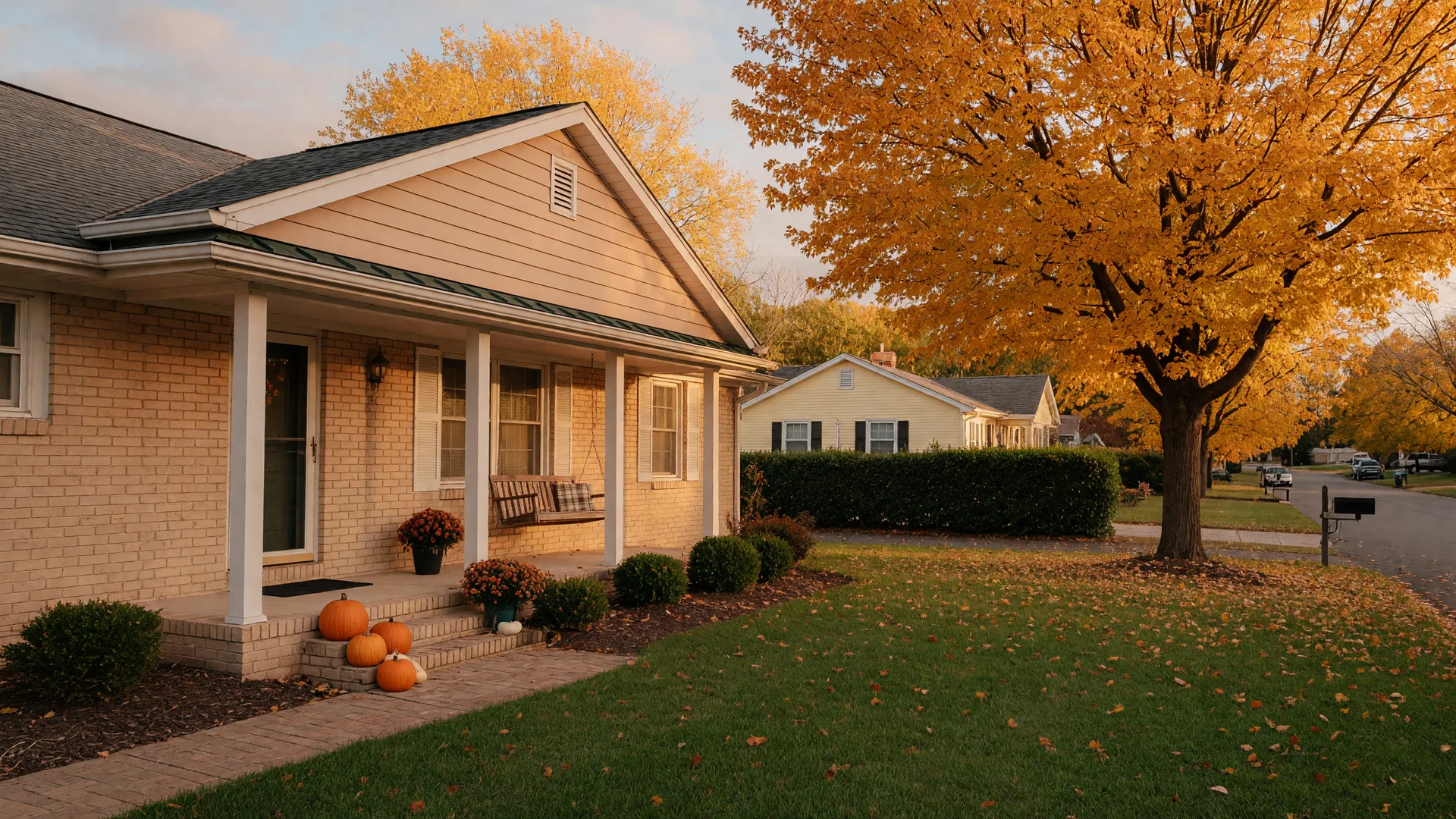
Choosing the right housing style can be one of the most freeing decisions of your next chapter. The right home does more than give you less to clean and maintain. It frees up time, money, and energy for the people and activities you love. For Virginia homeowners, the options are many: 55+ and active adult communities, single-level ranch homes, condos and townhomes, cottage and smaller new construction, and staying put in a home you love. This guide walks through each option so you can answer the question at the heart of downsizing: which housing style fits the life you want?
Start With Your "Why"
Before comparing floor plans, it helps to get clear on why you are downsizing. Are you tired of yard work and repairs? Do you want to be closer to grandchildren or healthcare? Is the goal to free up equity, simplify your life, or both? Your reasons will point you toward a housing style. If community and activities are the priority, an active adult community may fit. If you simply want one less staircase and a smaller lawn, a ranch home or condo might be the answer.
Not sure you are ready? Explore our guide on whether downsizing is right for you, including the 10 signs it may be time to make a change.
55+ and Active Adult Communities
Active adult and 55+ communities are built specifically around the lifestyle of active adults and retirees. They range from modest condo and villa neighborhoods to resort-style communities with clubhouses, pools, fitness centers, and organized activities.
Who it suits: People who want built-in social connection, planned activities, and neighbors in a similar stage of life.
Typical size and cost: Homes and condos commonly range from about 1,200 to 2,200 square feet. Prices vary widely across Virginia, with many active adult communities in the Fredericksburg, Stafford, and Spotsylvania area offering attractive options for downsizers.
Maintenance-free living: One of the biggest draws of these communities is handing off the chores. Many handle lawn care, snow removal, and exterior maintenance through an HOA or association fee, which means more time for the things you love and less time mowing, shoveling, and painting.
Pros
- Clubs, classes, book clubs, and events that make it easy to meet people
- Low maintenance and predictable fees
- Single-level homes and villas are common
- Pickleball, golf, pools, fitness centers, and walking trails on site
- Security and a like-minded community
Cons
- Monthly HOA fees add up
- Age restrictions and rules to follow
- Less privacy than a single-family home
Real 55+ Communities in Our Backyard
The Fredericksburg, Stafford, and Spotsylvania area is home to a wonderful range of active adult communities, each with its own personality, amenities, and sense of community. Here is a look at a few of the local favorites we help clients tour and compare.
Celebrate Virginia, North Stafford
One of the largest and most amenity-rich 55+ communities in the region. A gated setting with a resort-style clubhouse, indoor and outdoor pools, fitness center, pickleball courts, walking trails, and an activity director who keeps a full calendar of social clubs and events, from book clubs to wine tastings.
Cascades at Embrey Mill, Stafford
A quiet 55+ enclave inside the award-winning Embrey Mill master-planned community. Residents enjoy multiple resort-style pools, a clubhouse, fitness center, miles of walking and biking trails, open-space parks, and easy access to all the events and social clubs of the larger neighborhood.
Leeland Station, Stafford
Newer construction homes with modern, main-level floor plans, a clubhouse, swimming pool, walking trails, and community activities. Its standout feature is walkable access to the Leeland Road VRE station, ideal for retirees who still want easy day trips to Washington DC.
Fawn Lake, Spotsylvania
A gated, resort-style community with an Arnold Palmer-designed golf course, a private lake, clubhouse, fitness center, pools, tennis and pickleball courts, and miles of walking trails. Long popular with active adults for its active lifestyle, social clubs, and 24-hour security.
Turnberry East at Lee's Hill, Spotsylvania
An established Spotsylvania community near Route 3 and I-95 with a golf course, clubhouse, pool, and tennis courts. A mix of single-family homes, townhomes, and villas, many with main-level layouts, close to shopping, hospitals, and downtown Fredericksburg.
Newer Villa and Cottage Communities, Fredericksburg
Along the Route 3 corridor and around downtown Fredericksburg, builders offer newer villa, patio, and cottage neighborhoods with single-level floor plans, attached garages, and HOA-maintained lawns and exteriors. Many sit close to the walkable historic downtown, healthcare, and the riverfront.
Every community has its own mix of amenities, clubs, age rules, and pricing, so it pays to compare. Barbara can walk you through the options and arrange tours. Start with our in-depth local guides:
- 55+ Communities in Stafford, VA, covering Celebrate Virginia, Cascades at Embrey Mill, Leeland Station, Aquia Harbour, and more with pricing and amenities.
- 55+ Communities in Spotsylvania, VA, covering Fawn Lake, Turnberry East at Lee's Hill, Mill Creek, Legacy Woods, and Keswick Villas.
- 55+ Communities in Fredericksburg and Spotsylvania, a guide to the active adult lifestyle across the City of Fredericksburg and its surroundings.
Single-Level, Ranch, and Main-Level Living Homes
A single-level home, often called a ranch or rambler, puts your bedroom, bathroom, kitchen, and laundry all on one floor. That means no stairs to climb and easier living for years to come.
Who it suits: People who want the independence of a stand-alone home with none of the staircase risk, and who prefer taking care of their own space on a single level.
Typical size and cost: Ranch homes typically range from about 1,300 to 2,400 square feet with three bedrooms and two bathrooms. You keep a yard, so upkeep is still yours.
Maintenance level: Moderate. The home itself is simpler, but you still manage lawn care and exterior upkeep unless you hire help.
Pros
- No stairs and a safer layout for aging in place
- Privacy and space for family visits
- Often more value and resale flexibility than a condo
- Enjoy a yard and outdoor space
Cons
- More maintenance than a community or condo
- Yard care and exterior upkeep still required
- Generally higher purchase price than a smaller condo
Learn more about single-level and accessible living in Virginia, including features to look for when house hunting.
Condos and Townhomes
Condos and townhomes are among the most popular downsizing choices because they trade most of the maintenance for a predictable HOA structure. Condos are typically single-level and attached, while townhomes often have two or three floors and a small yard.
Who it suits: People who want minimal upkeep, a lock-and-leave lifestyle, and easy travel without worrying about the property.
Typical size and cost: Condos commonly range from about 900 to 1,800 square feet and are often less expensive than a single-family home, which can free up equity.
Maintenance level: Low. The HOA manages exterior maintenance, common areas, and often lawn and snow removal.
Pros
- Almost no exterior or lawn maintenance
- Often a single-level layout for easy living
- Lock-and-leave convenience for travel
- Can free up home equity and lower costs
Cons
- HOA fees and special assessments
- Shared walls and common rules
- Less control over the building and grounds
Cottage and Smaller New Construction
Builders across Virginia now offer smaller, single-level "villa," "carriage," and cottage floor plans designed with low maintenance and easy living in mind. Many are in active adult communities or planned neighborhoods with lawn care included.
Who it suits: People who want a brand-new home built to their preferences, with modern single-level layouts, energy efficiency, and minimal upkeep from day one.
Typical size and cost: Cottage and villa plans typically run from about 1,100 to 1,800 square feet. New construction often costs more per square foot than resale but avoids repair and maintenance surprises.
Maintenance level: Low at first, thanks to new systems and warranties, and often less due to smaller lots and included landscaping.
Pros
- Brand-new and move-in ready with warranties
- Modern single-level, energy-efficient designs
- Choose finishes and layout during building
- Low maintenance from the start
Cons
- Often higher per-square-foot cost
- Construction timeline before move-in
- New communities may take time to fill in
Staying Put and Aging in Place
Downsizing does not always mean moving. If you love your current home, your neighbors, and your neighborhood, aging in place may be the right choice. It usually involves modifying the home to support safety and accessibility, such as adding grab bars, a walk-in shower, stair-free entrances, or converting a main-floor room into a bedroom.
Who it suits: People who are settled where they are, whose home can be made safe and accessible, and who value staying in a familiar community.
Maintenance level: Can stay high. You keep the whole house, yard, utilities, and repairs. Downsizing the physical space is one way to reduce that load, but not the only one: hiring help or making smart modifications can also work.
Pros
- Stay in a familiar home and neighborhood
- Avoid the stress and cost of moving
- Keep your equity and avoid transaction costs
- Modify the home on your own schedule
Cons
- Maintenance and utility costs stay high
- Stairs and layout still need attention
- Modifications can be costly
Our aging in place and home safety guide covers room-by-room modifications, and our guide to accessible single-level living helps you weigh the options.
Which Style Fits Your Lifestyle?
Ask yourself these questions to narrow down your best fit. There is no single right answer, only the answer that fits your priorities:
How much maintenance do you want?
If you want to hand off everything, look at condos, townhomes, or 55+ communities with full lawn care and exterior maintenance. If you enjoy some yard time, a ranch home gives you room for a garden.
What is your budget, including monthly fees?
Factor in HOA dues, association fees, utilities, and the cost of the home itself. Use our home equity calculator to see how much a move could free up, and compare the true cost of staying versus moving.
How close do you want to be to family?
If being near grandchildren matters most, prioritize a neighborhood and floor plan close to them. The Where Should I Move? guide helps you organize these priorities by category.
How important is access to healthcare?
Check your distance to doctors, hospitals, and pharmacies. Single-level, senior-friendly communities near medical centers add peace of mind as needs change.
How walkable do you want your daily life to be?
If you want to walk to shops, parks, and services, look for walkable downtown or village locations. If driving is fine, a quieter suburban home may suit you better.
Do you prefer community or privacy?
Active adult communities make social connection easy with clubs, events, and neighbors in a similar stage of life. A single-family ranch on its own lot gives you more space and privacy at the cost of some built-in community.
For a step-by-step path from decision to move, follow our complete downsizing guide, which covers timelines, checklists, and decluttering along the way.
Financing and Closing Your Downsizing Move
Once you have picked a housing style, the practical side of buying and selling comes into view. A clear picture of your budget, financing options, and closing process makes the transition smooth.
Barbara and The Jennings Team can connect you with trusted lending and closing partners who know the Fredericksburg and Virginia market. Their preferred lenders include:
For title and closing, Joe Vance at ATG Title takes care of the details that make closing smooth and on time. Learn more at atgtitle.com.
If you are selling as part of your move, review our complete guide to selling your Virginia home and get a sense of your current home value before you negotiate.
Frequently Asked Questions About Downsizing Housing Styles
What is the difference between a 55+ community and an active adult community?
The two terms are often used interchangeably. A 55+ community is age-restricted, meaning at least one resident in each home typically must be 55 or older. An active adult community focuses on lifestyle and activities for people in that stage of life, and it may or may not have the same age restriction. In practice, most 55+ communities in Virginia market themselves as active adult communities with clubhouses, pools, and planned events.
Is a condo or townhome better for downsizing?
It depends on your priorities. A condo is often single-level with almost no exterior maintenance, making it ideal for easy, lock-and-leave living. A townhome can offer more space and a small yard but usually means climbing stairs between levels. If minimizing maintenance and stairs matters most, a condo is often the better downsizing fit.
How much does it cost to live in a 55+ community in Virginia?
Costs vary widely by community, location, and home size. Beyond the purchase price, expect monthly HOA or association fees that cover amenities and often lawn care and exterior maintenance. In the Fredericksburg, Stafford, and Spotsylvania area, active adult communities offer a range of pricing, and our 55+ community guides break down what to expect in each neighborhood.
Can I age in place if I stay in my current home?
Yes. Aging in place is a real and popular option if your home can be made safe and accessible. Common changes include adding grab bars, installing a walk-in shower, widening doorways, and creating a main-floor bedroom and bathroom. If you love your home and can make those modifications, staying put lets you keep your equity and your neighborhood.
How do I know if I can afford a single-level home?
Start with two numbers: what your current home could sell for and what you would pay monthly in the new home, including mortgage, taxes, insurance, and any HOA fees. A trusted lender can give you a clear pre-approval and monthly payment picture. Use the home value and home equity calculator to see how much your move could fund.
Not Sure Where to Start?
Talk to Barbara Jennings, REALTOR with eXp Realty. She has helped hundreds of Virginia families find the housing style that fits their next chapter, and she would love to help you too.
Book a conversationKeep Reading
Explore more on finding the right fit: whether downsizing is right for you, the categories in Where Should I Move?, and the full downsizing guide. For what your current home may be worth, get a home value estimate today.